Wall Street is Shifting from "Providing Channels" to "Direct Ownership and Issuance"
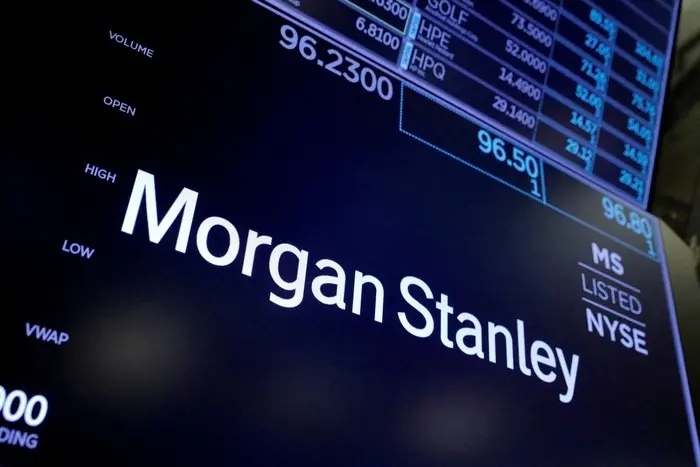
On January 6, 2026, Morgan Stanley submitted applications for Bitcoin ETFs and Solana-related ETFs to the U.S. Securities and Exchange Commission (SEC), marking a significant upgrade in Wall Street's involvement in the digital asset space. Unlike previous participation that primarily focused on "channel-type involvement" such as brokerage services or custody support, this application signifies that a major U.S. investment bank is beginning to directly engage in the issuance and management of crypto asset products.
According to Reuters, this is Morgan Stanley's first attempt to promote crypto ETF products as a sponsor. Over the past year, Bitcoin spot ETFs in the U.S. market have attracted tens of billions of dollars in inflows, and the inclusion of Solana in this application indicates that institutional interest is gradually extending from a single core asset to a broader range of crypto asset categories.
From Distribution Role to Product Issuer
In previous market cycles, large banks have maintained a relatively cautious attitude toward crypto assets, with their participation largely limited to limited allocations within wealth management channels or providing indirect exposure to clients through third-party funds. Morgan Stanley's submission of the ETF application indicates that the institutional role is shifting from "solely responsible for distribution" to "directly issuing products," with banks taking on core responsibilities such as product structure design, compliance obligations, and long-term investor relations management.
This change is particularly critical. ETF sponsors must fully comply with the securities regulatory system during ongoing operations, including requirements for information disclosure, custody arrangements, and regulatory reviews. Unlike providing trading channels or advisory services, ETF products must operate under a mature regulatory framework for the long term. Morgan Stanley's move reflects its growing confidence in the sustainable operation of crypto assets within the existing regulatory system.
Why Solana's Inclusion Alongside Bitcoin is Significant
Although Bitcoin remains the primary focus of institutional interest in crypto assets, the simultaneous application for a Solana ETF sends a broader signal. The risk and value logic represented by Solana is significantly different from that of Bitcoin, with its core more centered around smart contracts, decentralized applications, and high-throughput ecosystems, rather than a singular value storage attribute.
Including Bitcoin and Solana in the ETF strategy means that Morgan Stanley is testing whether regulated capital markets are ready to accept multi-layered, differentiated crypto asset allocations, rather than viewing crypto as a single asset class. This could be an early attempt by institutions to build a "layered crypto asset portfolio," clearly distinguishing between settlement-type assets and application-type networks.
Regulatory Signals and Market Structure Changes
The timing of this application is also symbolically significant. After the approval of Bitcoin spot ETFs, the focus of regulatory discussions in the U.S. has gradually shifted from "whether crypto assets should be included in compliant markets" to "how far this integration can advance." The submission of an ETF application by a global investment bank further reinforces market expectations that U.S. crypto regulation is moving toward a replicable and scalable framework.
If the relevant products are ultimately approved, Morgan Stanley's ETF will further promote crypto ETFs as standardized tools in mainstream investment portfolios, reducing the market's reliance on offshore platforms and non-regulated intermediaries. In the long run, this may lead to liquidity being more concentrated in compliant channels and reshape the market structure to be more favorable for compliant and capital-strong institutional participants.
From Experimental Participation to Infrastructure Development
Looking at a single ETF application, this event may seem like a gradual change; however, in a broader context, Morgan Stanley's entry reflects a deeper structural shift: the institutionalization of crypto assets is gradually moving from marginal experimentation to becoming an integral part of the global asset management system's core operational mechanisms.
As large banks shift from "providing exposure" to "issuing products," the operational logic of the crypto market will also change, becoming less reliant on narratives and emotions, and more dependent on regulatory clarity, product structure design, and the allocation discipline of institutional funds. In the future, whether this trend will expand market participation or further concentrate on compliant large institutions will be a key factor in determining the next phase of the crypto market.


