In the modern world of football, transfer fees, sponsorship contracts, and broadcast revenue sharing are certainly important, but what truly determines the vitality of a club is still the fans in the stands.
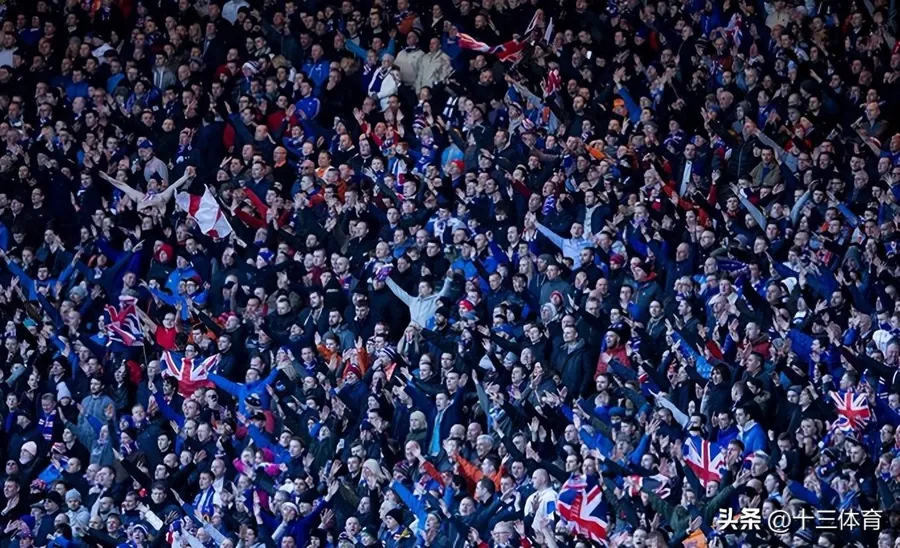
Over the past decade, English football has witnessed numerous promotions and relegations, stadium renovations, and even complete rebuilds. Some clubs have expanded with new stadiums, others have returned to the Premier League, and still others have reignited the passion of their cities through operational innovations. So, since the 2015-16 season, which English clubs have seen the largest increase in average league attendance?
Below are the 10 English clubs that have seen the most significant fan growth over the past 10 years.
If we only look at the data, West Ham United is undoubtedly the biggest winner.
Since moving from Upton Park to London Stadium, the team's average attendance per match has increased by more than 27,000 compared to the 2015-16 season. London Stadium's capacity far exceeds that of the old home ground, resulting in significant numerical growth for the club.
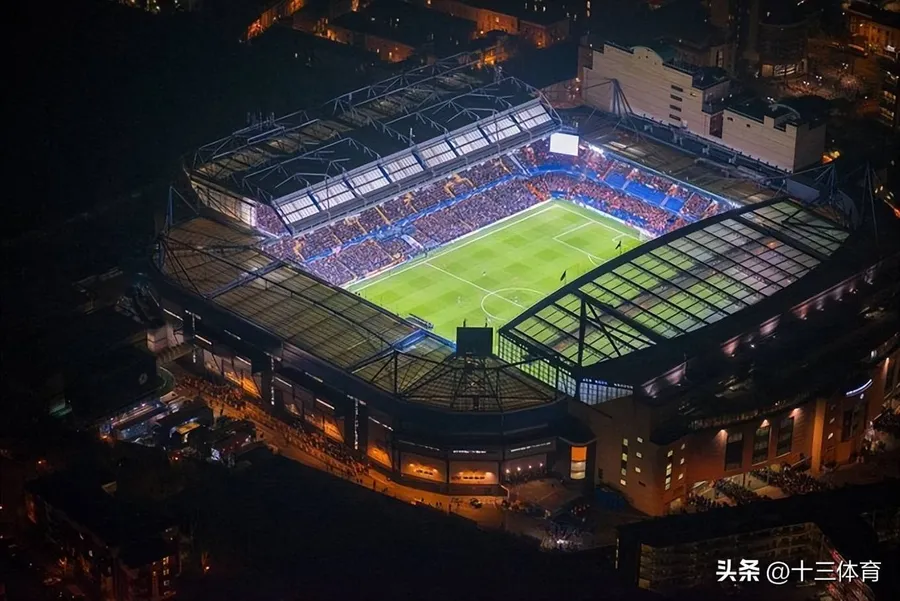
However, behind the numbers lie emotions. Many West Ham United fans still regret moving away from Upton Park. The new stadium is bigger and more modern, but in the eyes of many longtime fans, it lacks the unique intimacy and passion of the old home ground.
Tottenham Hotspur also benefited from the new stadium.
Since leaving White Hart Lane and moving into a brand-new, modern stadium, Tottenham Hotspur have been able to attract more spectators each week. The new stadium not only has a larger capacity but also offers a more upscale viewing experience.
From a competitive standpoint, Tottenham's Premier League win rate at their new home ground is 53%, slightly lower than their 55% win rate at White Hart Lane. Despite the slight decline in results, the fans' enthusiasm has not been affected.
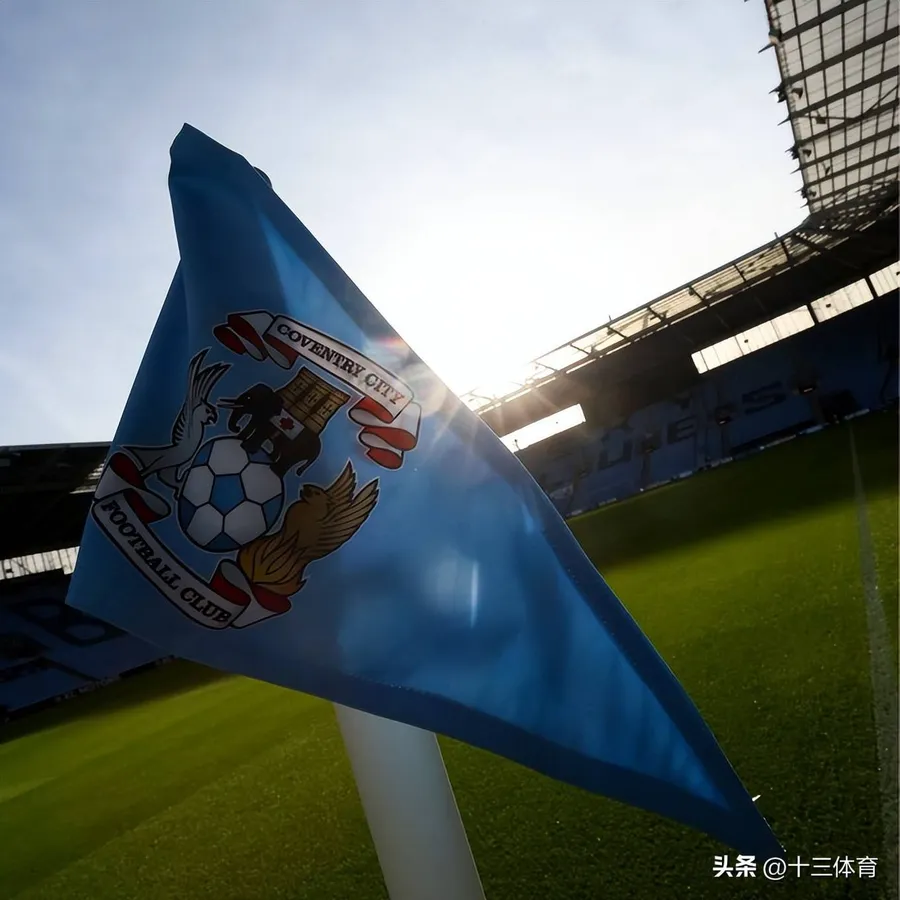
Of all the clubs that did not upgrade to a new stadium, Coventry City saw the largest increase.
In the 2015-16 season, they were still playing in League One, and their future was uncertain under their previous owners. For the past decade, the club has been forced to schedule home games in Birmingham and Northampton due to ownership issues.
These problems have now been resolved. Coventry City boasts an average attendance of 30,054 in the Championship, the highest in the league. Their return to the top flight seems within reach.
The expansion of Anfield is a major reason for the growth of Liverpool's fan base.
With several renovations and upgrades to the stadium, Liverpool's average attendance has increased by more than 16,000 since the 2015-16 season. Given the consistently high demand for Anfield tickets, further expansion in the coming years is not out of the question.
The combination of achievements and tradition keeps this stadium consistently popular.
The changes Leeds United has undergone in the past decade can be described as a "rebirth".
In the 2015-16 season, the team was still managed by Steve Evans, and at that time they were only in the middle of the Championship, with an average attendance of just over 22,000 at Elland Road.

Now that Leeds United have returned to the Premier League, Elland Road is packed to capacity every game. The club's ambition is evident in its plans to expand the stadium's capacity from 37,645 seats to approximately 53,000.
Everton's growth has also benefited from the new stadium.
After leaving Goodison Park and moving to Hill Dickinson Stadium, their average attendance increased by nearly 14,000. The new stadium has state-of-the-art facilities, but the Toffees experienced some adjustment issues at their new home – winning only 4 of their first 14 games.
Even so, the fans' support has not diminished.
In ten years, Nottingham Forest went from obscurity in the Championship to the European stage.
In the 2015-16 season, they continued to play steadily in the Championship, with decent attendance. However, their real breakthrough came after promotion to the Premier League. The exposure and competition brought by the top league reignited the excitement in the stands.
During the tenure of the previous owner, Birmingham City gradually stagnated in the Championship, and the enthusiasm of the fans also declined.
Now, under Tom Wagner's management, the club has been revitalized, with St Andrews Stadium nearly sold out every week. Even more impressively, the club has announced plans to build a new stadium with a capacity of 62,000 spectators.
Whether the seats will be fully occupied in the future remains to be seen, but the direction is clear.
In the 2015-16 season, Fulham finished 20th in the Championship with an average attendance of only 17,566.
They subsequently returned to the Premier League and expanded Craven Cottage. Over the next decade, average attendance increased by nearly 10,000, and the club regained its footing in the top flight.
The 2015-16 season marked Ipswich Town's 14th consecutive season in the English second tier. The prolonged stagnation had dampened fan enthusiasm, and the club desperately needed new ideas and a breakthrough.
Although the situation was somewhat weak at the time, their fan base has steadily recovered over the past decade, with average attendance increasing by more than 9,000 people.
Looking at this list, we can see that the core factors for fan growth are nothing more than three points: new stadium expansion, return to the Premier League, and club management reform.
West Ham United and Tottenham Hotspur have achieved a digital leap by expanding their facilities; Coventry City and Nottingham Forest have regained support through sporting revival; and traditional powerhouses such as Liverpool and Leeds United have found a balance between performance and planning.