Cavaliers Cruise Past Suns 129-113, Mitchell Leads with 34 Points
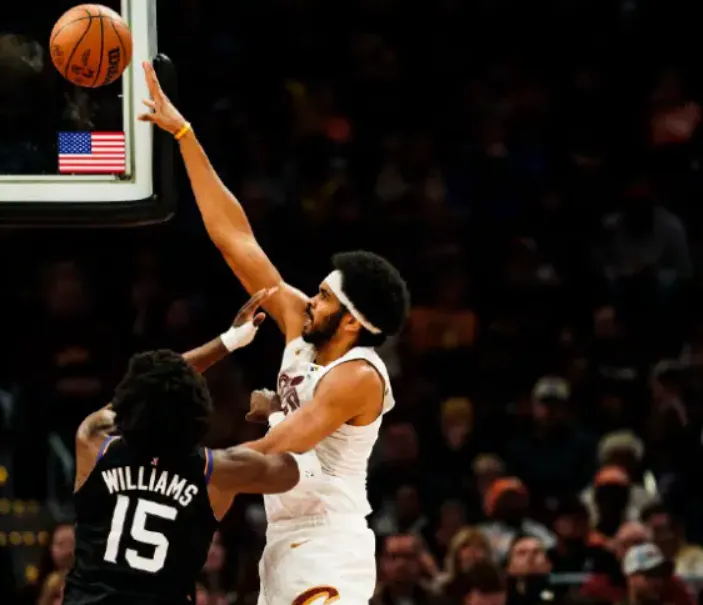
In the first game of the 2026 season on January 1, the Cleveland Cavaliers hosted the Phoenix Suns and secured a commanding 129-113 victory. The win highlighted Cleveland’s depth, defensive discipline, and ability to execute in crucial moments.
The Cavaliers set the tone early, using efficient offense and tight defense to open a 19-point lead in the first quarter, with Donovan Mitchell scoring 10 in the period. Despite a slight rally from Phoenix, Cleveland maintained control, finishing the first half ahead 67-54.
The Suns fought back in the third quarter, with Devin Booker exploding for 19 points, including two timely three-pointers, narrowing the deficit to just 2 points. However, the Cavaliers stayed composed, with Mitchell, Darius Garland, and the frontcourt duo of Evan Mobley and Jarrett Allen stabilizing the game and entering the fourth quarter 96-89 ahead.
Cleveland sealed the win in the final frame, pushing the lead back over 20 points. Isaiah Tyson contributed 10 points off the bench, while the Suns’ attempts to mount a comeback fell short. The Cavaliers shot 50% from the field (48/96), 38.2% from three (15/38), and 81.8% from the line (18/22), outpacing Phoenix in key offensive metrics. Cleveland also dominated in rebounds, assists, and blocks, finishing with 31 team assists, showcasing their ball movement and teamwork.
Individually, Mitchell posted 34 points, 10 rebounds, and 7 assists, anchoring both ends of the floor. Garland added 19 points and 6 assists, while Allen and Mobley each recorded 16 points and 10+ rebounds. The bench duo of Tyson and Jalen Merriweather combined for 34 points, highlighting Cleveland’s roster depth. For Phoenix, Booker led with 32 points, but the Suns struggled defensively and failed to contain Cleveland’s perimeter and second-chance scoring.
The victory gives the Cavaliers a strong start to 2026, reinforcing their status as a contender in the Eastern Conference. The Suns, meanwhile, must find ways to better leverage team support when their star players are active to avoid over-reliance on individual performances.