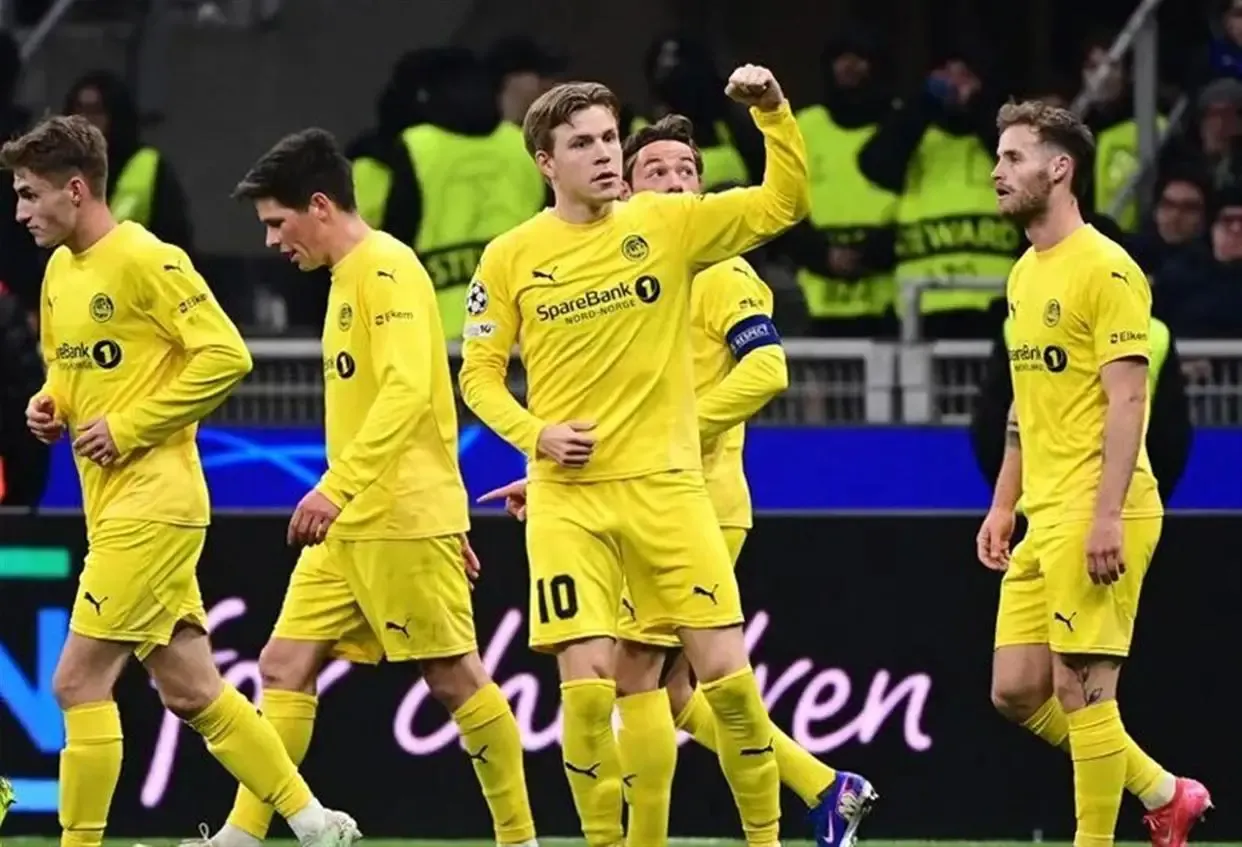
Club Brugge has been performing exceptionally poorly recently. In the last round of the Champions League, they were shut out 3–0 at home by Sporting CP, dealing a severe blow to the team’s morale. In their two most recent Belgian Pro League matches, Brugge also suffered consecutive defeats. Particularly at home against Antwerp, they were unexpectedly kept scoreless; in the following away match at Sint-Truiden, they conceded three goals. Both offensively and defensively, Brugge has performed very poorly. Players’ execution has dropped significantly, focus is lacking, and individualism frequently takes precedence over team play, leading to repeated mistakes. This situation has clearly affected their overall competitiveness and match rhythm.
By contrast, Arsenal recently suffered an unexpected loss to Aston Villa in the Premier League, exposing some vulnerabilities. Rice’s fitness has clearly been affected, limiting his ability to cover the midfield fully with high-intensity runs and challenges, which weakens Arsenal’s control in the middle. Meanwhile, Ødegaard has repeatedly been caught out of position under high-pressure situations, making him a target for opponents—one of the reasons Arsenal were held to a draw by Chelsea. In these two matches, Arsenal’s attacking performance was underwhelming, scoring only one goal, raising concerns about their form.
Despite this, Arsenal is expected to hold the advantage when visiting Club Brugge. On one hand, Brugge carries immense pressure in the league, their form remains low, and there is a clear gap in quality compared to Arsenal. On the other hand, from a statistical perspective, Arsenal holds a significant edge in key metrics such as possession, pass accuracy, and shooting efficiency. Considering the current situation, Arsenal has a strong chance to use this match to regroup and improve their recent performance. Overall, Arsenal is likely to deliver a more stable performance in this game and achieve a rebound.